Blog Post By: KARUN TYAGI
The global community is facing a pressing challenge – the need to decarbonize every sector of our economy to combat climate change. Among these sectors, the chemical industry stands out as a significant contributor to greenhouse gas emissions. This industry, essential for the production of countless products we rely on daily, is also a major source of pollution and carbon emissions. Decarbonizing chemical supply chains is not just a noble pursuit; it’s an imperative for a sustainable future.
The Carbon Conundrum
The chemical industry has long played a crucial role in manufacturing, agriculture, pharmaceuticals, and countless other sectors. However, this industry is inherently carbon-intensive, primarily reliant on fossil fuels and energy-intensive processes. The production of chemicals alone accounts for approximately 10% of global greenhouse gas emissions. Addressing this issue is vital to achieving the goals set by the Paris Agreement and limiting global warming to well below 2 degrees Celsius.
The Path to Decarbonization
Decarbonizing chemical supply chains is a complex undertaking that involves various stakeholders, from chemical manufacturers to consumers. Here’s a roadmap to this vital transformation:
- Shift to Renewable Energy: The first and most fundamental step is transitioning to renewable energy sources. Chemical plants often rely on fossil fuels for energy, contributing significantly to emissions. By adopting solar, wind, and other sustainable energy sources, the industry can significantly reduce its carbon footprint.
- Improved Production Processes: Innovations in production techniques are vital. Researchers are developing more energy-efficient processes, such as catalysis and electrolysis, which can help reduce emissions and resource consumption. Moreover, advanced recycling methods can promote circular economies, minimizing waste and emissions.
- Green Chemistry: A shift towards ‘green chemistry’ is crucial. This approach focuses on designing products and processes that minimize the use and generation of hazardous substances. It emphasizes the development of sustainable chemical alternatives and more efficient chemical reactions.
- Carbon Capture and Storage (CCS): For some chemical processes that are challenging to decarbonize entirely, carbon capture and storage can be a solution. CCS technology captures CO2 emissions at the source and stores them underground, preventing them from entering the atmosphere.
- Sustainable Sourcing: Ensuring the sustainability of raw materials is paramount. This includes using renewable resources and promoting responsible sourcing to minimize the environmental impact.
Collaborative Efforts
Decarbonizing chemical supply chains requires a concerted effort from all stakeholders:
- Government Policies: Policymakers can play a pivotal role by implementing regulations that encourage cleaner processes and sustainable practices.
- Investment in Research and Development: Funding research into cleaner technologies and innovation is vital. Governments, private industry, and academic institutions should collaborate to support these initiatives.
- Consumer Demand: As consumers become more environmentally conscious, their preferences and buying choices can encourage chemical manufacturers to adopt greener practices.
- Industry Collaboration: Collaboration within the chemical industry is essential. Sharing best practices, data, and insights can accelerate progress toward sustainability.
- Transparency: Transparency in the supply chain is vital for tracking emissions and environmental impact. Companies should disclose their carbon footprint and efforts toward decarbonization.
The Road Ahead
Decarbonizing chemical supply chains is a formidable challenge, but it is not insurmountable. With concerted effort and commitment from all stakeholders, it is possible to transition to a more sustainable and environmentally responsible chemical industry.
In the face of climate change, we can no longer afford to ignore the carbon emissions generated by the chemical sector. The future of our planet and the well-being of generations to come depend on our ability to transform this industry into a greener, cleaner, and more sustainable entity. While this transformation may require substantial investments and commitment, the price of inaction is far greater.
As we embark on this journey to decarbonize chemical supply chains, we must remember that every positive change we make in this industry is a step closer to a healthier planet and a more sustainable future. It’s an investment in the well-being of our world and the legacy we leave for future generations.
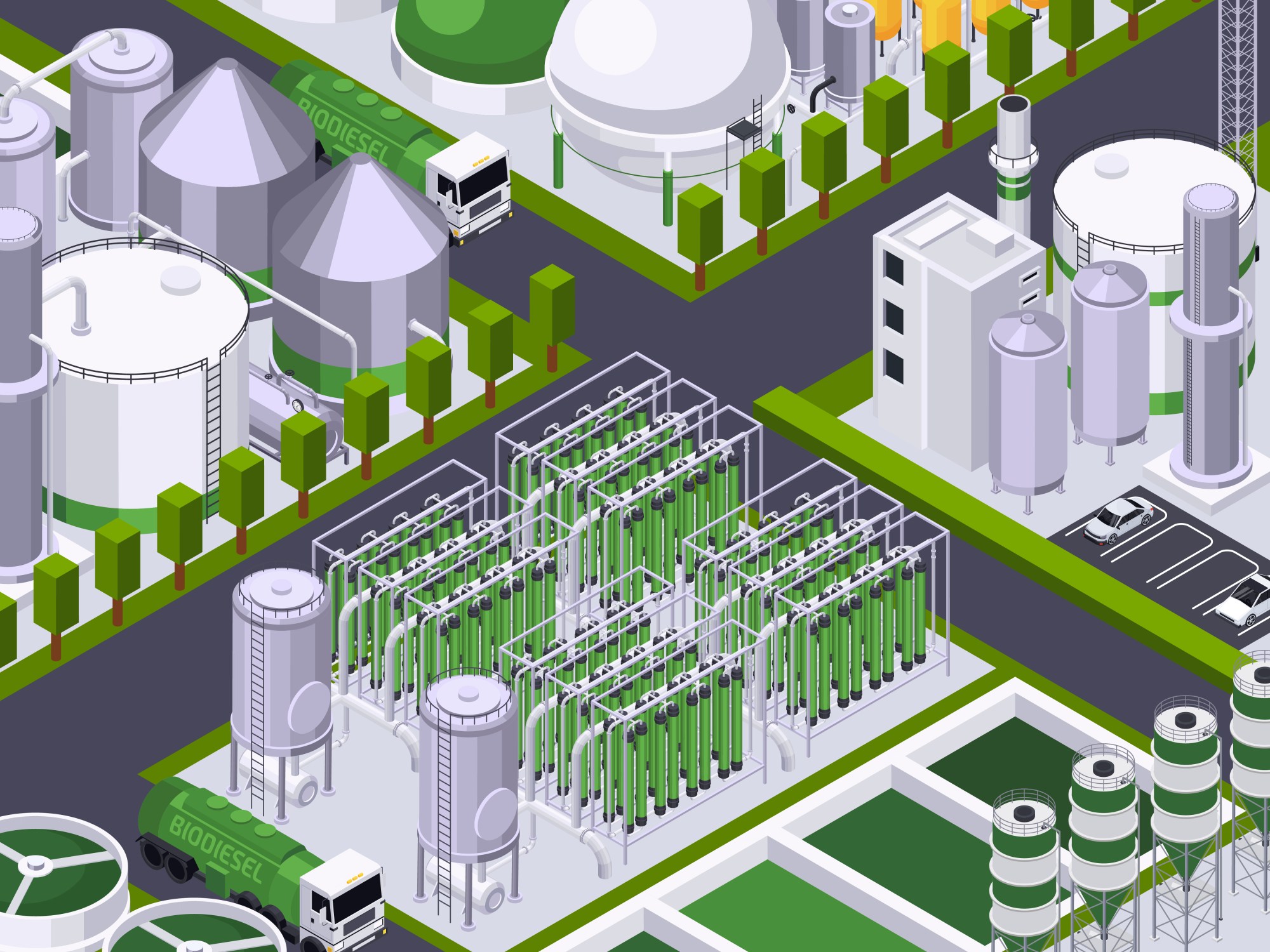
Image by macrovector on Freepik

