Blog Post By : Karun Tyagi
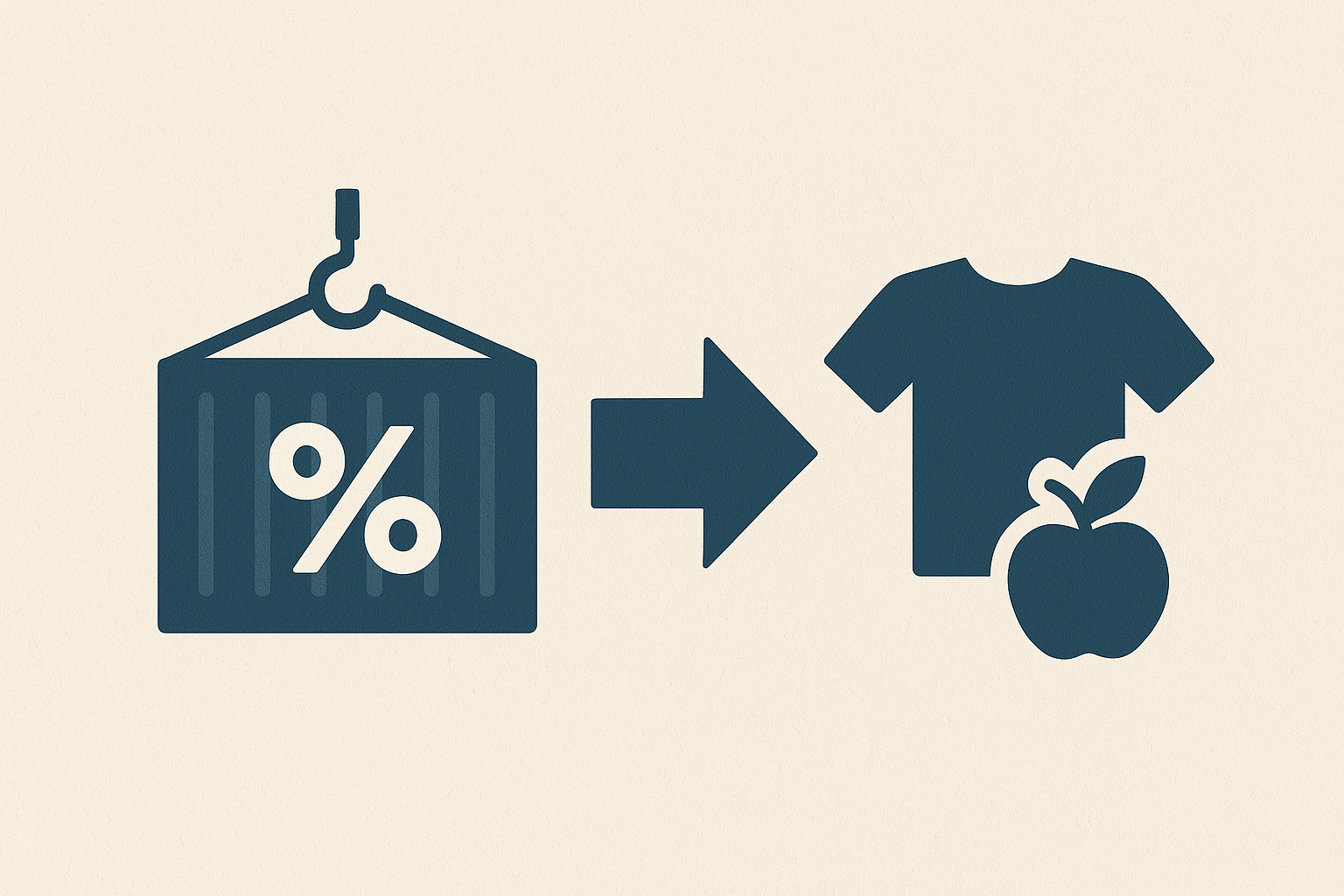
When the US initiated its trade war against multiple nations, the world rightly focused on its immediate impact—higher tariffs, disrupted supply chains, and economic volatility. But hidden beneath the economic headlines lies a deeper question:
Can such disruption inspire a shift in how we consume?
Over the last few decades, globalization brought us not only economic growth but also an unprecedented surge in consumption. Products became cheaper, choices became infinite, and the distance between desire and purchase shrank to milliseconds.
This convenience came at a cost. Not just the visible costs—like trade imbalances or local job losses—but the hiddencosts: massive resource extraction, mounting waste, pollution, and a cultural dependence on fast fashion, fast food, and faster upgrades.
The world became addicted to abundance.
Trade wars interrupt this system by creating friction—in the form of tariffs, embargoes, export restrictions, and price volatility. Goods that were once cheap and abundant suddenly become expensive or delayed. The just-in-time model of global supply starts to crack.
At first, this disruption creates discomfort. But over time, it can trigger a re-evaluation of needs. When the system no longer delivers convenience at low cost, the consumer is faced with a question: Do I need this, or do I just want it?
The Possibility of a Conscious Pivot
If this discomfort is framed with the right narrative—especially by businesses, educators, and policymakers—it can catalyze a powerful shift:
- From Quantity to Quality: Instead of buying multiple items at low prices, consumers may begin to seek durable, well-crafted products—even if they cost more upfront.
- From Convenience to Purpose: Impulse purchases may decline, while thoughtful, need-based buying gains favor. This could slow down the cycle of consumption and reduce unnecessary waste.
- From Global Dependence to Local Resilience: Scarcity of imported goods could fuel local manufacturing, smaller supply chains, and more robust domestic ecosystems.
- From Individualism to Responsibility: The idea that personal choices have planetary consequences might find more traction, especially among the younger generation already inclined toward sustainability.
A Cultural Opportunity in Disguise
Let’s be clear—trade wars are not a desirable tool for reform. They hurt economies, destabilize industries, and create uncertainty. But they can also serve as a cultural pause button, forcing societies to think beyond profit and convenience.
The opportunity lies in reframing restraint not as a limitation, but as a form of wisdom. This is where minimalism, circular economy thinking, and resource stewardship come in—not as luxury ideologies, but as essential mindsets for a finite world.
But Let’s Not Ignore the Caveats
While the idea of trade wars leading to minimalism sounds promising, there are challenges:
- Economic inequality may deepen if basic goods become unaffordable for vulnerable populations.
- Minimalism by force may breed resentment unless it is accompanied by education, empathy, and inclusive alternatives.
- Businesses may resist change unless there are long-term policy signals and consumer demand alignment.
Therefore, the shift must be intentional, not accidental. Governments need to invest in local resilience, companies need to innovate responsibly, and society needs to redefine prosperity—from “more stuff” to “better quality of life.”
Conclusion: Can Scarcity Lead to Sustainability?
The trade war may have been initiated with political or economic motives, but its unintended consequence could be cultural. It could slow down hyper-consumption. It could localize priorities. It could trigger mindful habits.
This is not just about adapting to a harsher economic reality—it’s about embracing a wiser ecological truth: We can no longer consume without consequences.
As business leaders, parents, and citizens, we have the responsibility—and perhaps now, the opportunity—to reframe this moment as more than a trade crisis. We can make it a turning point in how we define value, need, and success.
Because the real balance we need isn’t in trade. It’s in how we balance human aspiration with planetary limits.
 WeSustainableTextileForum